KT6 same day gardeners for urgent lawn rescue
If your lawn has gone from "a bit patchy" to "oh no, not today" overnight, you are not alone. Heavy rain, scorch, pets, party footfall, missed mowing, or one too many DIY fixes can leave grass looking tired and stressed in a hurry. That is exactly where KT6 same day gardeners for urgent lawn rescue come in: fast, practical help for lawns that need attention now, not next week.
This guide breaks down what urgent lawn rescue actually involves, how same day gardening support works in the KT6 area, and what a sensible homeowner should expect from a proper visit. You will also find a step-by-step plan, common mistakes to avoid, and a realistic checklist so you can act quickly without making the problem worse. To be fair, a lawn can look dramatic at 9am and recover well by the weekend if you handle it properly.
Whether you are dealing with a brown patch, flattened grass, weeds spreading fast, or a lawn that has simply been ignored for too long, the aim is the same: stabilise it, improve the appearance, and protect the grass that is still alive.
Why KT6 same day gardeners for urgent lawn rescue Matters
Lawns do not usually fail all at once. They tip over slowly, then suddenly look far worse than they did the day before. In KT6, where gardens often have a mix of shade, compacted soil, family use, and seasonal weather swings, a lawn can get stressed quickly. A same day response matters because timing changes the outcome. The earlier damaged turf is assessed, the more chance there is of saving it without major work.
Urgent lawn rescue is not about making a lawn "perfect" in a single visit. It is about stopping the slide. That might mean restoring the cut, lifting flattened areas, removing debris, edging properly, addressing moss or weeds, and identifying whether patch repair, feeding, watering, or reseeding is needed next. If you wait too long, small problems spread. Bare patches get larger. Compaction gets worse. Moss creeps in. And then you are looking at a bigger project instead of a quick rescue.
There is also a practical side. If you have guests arriving, a property viewing booked, or just cannot stand seeing the front garden in a mess, you need a solution that is fast and grounded in real horticultural judgement. Same day gardeners are useful because they bring pace, but good ones also bring restraint. They will not hack away at a stressed lawn just to make it look neat for twenty minutes.
Expert summary: a same day lawn rescue is most valuable when the problem is recent, visible, and still reversible. The job is to stabilise first, improve second, and only then plan longer-term recovery.
How KT6 same day gardeners for urgent lawn rescue Works
In practice, urgent lawn rescue starts with a quick but careful assessment. A gardener will usually look at the grass height, colour, soil moisture, foot traffic patterns, drainage, weed pressure, and any obvious damage such as dog wear, scalping, or flattened sections. They may also check for signs of disease or surface compaction. That first impression matters more than people think. A lawn that looks "dead" can sometimes be mostly dormant or stressed, which changes the approach completely.
From there, the work is normally prioritised into what can be improved immediately and what needs follow-up. On a same day call-out, the focus is often on:
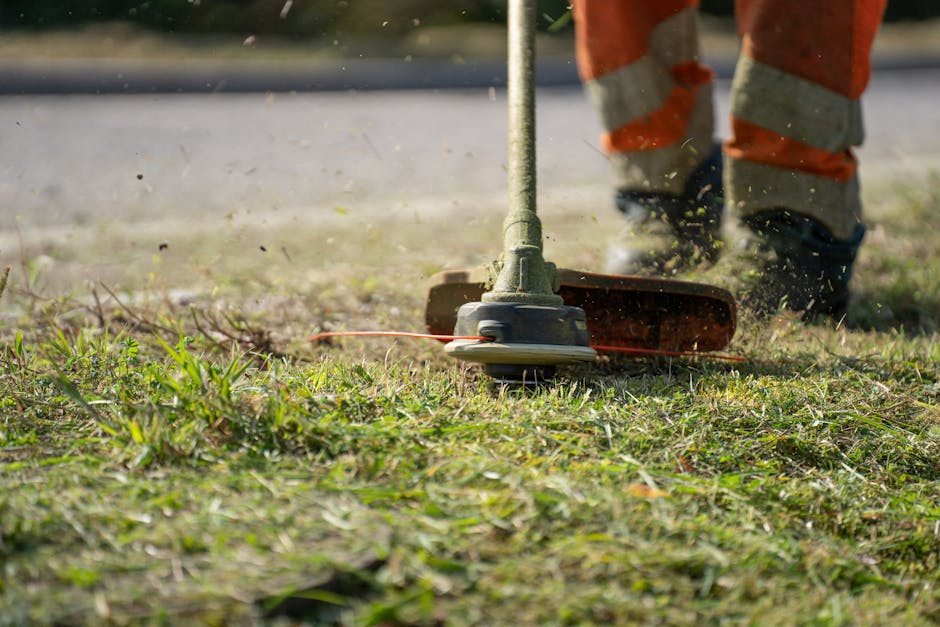
- careful mowing or strimming at the correct height
- border and edge tidying for a cleaner finish
- removal of leaves, twigs, litter, or pet waste
- light scarifying or raking where safe and sensible
- spot weeding or moss reduction if the lawn can tolerate it
- basic feed, watering advice, or aftercare recommendations
- patch repair guidance for thin or bare areas
Not every lawn should be treated the same way on the same day. A dry, heat-stressed lawn needs a different touch from a waterlogged lawn. Likewise, freshly laid turf should not be treated like an established patchy lawn. Good gardeners know when to hold back. Sometimes the best rescue is surprisingly gentle. A little trimming, a careful clean-up, and the right aftercare can beat an aggressive overhaul every time.
If the issue is more than cosmetic, the gardener may suggest a follow-up service through a broader maintenance plan, such as garden maintenance or a more focused lawn mowing visit. That can be especially useful if the lawn needs a second look after a rescue appointment. Truth be told, many lawns are not "fixed" in one dramatic swoop; they are turned around over a few sensible steps.
Key Benefits and Practical Advantages
The main benefit is obvious: speed. But the real value goes deeper than that. A same day gardener helps you respond before the damage becomes expensive, unsightly, or difficult to reverse. In a front garden, that may protect kerb appeal. In a back garden, it may make the space usable again for children, pets, or a weekend barbecue that would otherwise feel a bit grim.
- Fast visual improvement: neat cuts, clean edges, and debris removal can transform the space quickly.
- Damage control: urgent care can stop weeds, moss, or turf stress from spreading.
- Better diagnosis: an experienced gardener can tell the difference between temporary stress and deeper lawn failure.
- Less guesswork: you get practical advice instead of trial-and-error treatments.
- Time saved: useful if you are working, travelling, or simply do not have a free afternoon.
- Better follow-on results: a well-handled rescue makes future feeding, watering, and mowing more effective.
There is another advantage people underestimate: confidence. When a lawn looks bad, it is easy to keep fiddling with it. Mow it too short. Water it at the wrong time. Throw on a product because the packet sounded promising. That is how simple problems become messy ones. A same day gardener can steady things and give you a plan you can actually follow.
In KT6, where properties can range from compact terraces to larger family gardens, that mix of fast response and practical judgement is often what saves the day. Not magic. Just good timing and a clear head.
Who This Is For and When It Makes Sense
Urgent lawn rescue is not only for emergencies in the dramatic sense. It is for anyone who needs a quick reset before the problem gets bigger. If the lawn has gone from healthy to patchy in a short period, or if you have an event, sale, inspection, or family occasion coming up, it makes a lot of sense to act fast.
You may need same day help if:
- the lawn has been scalped by a mower set too low
- a section has flattened after heavy furniture, play equipment, or repeated foot traffic
- moss, weeds, or that "tired and stringy" look has appeared quickly
- storm debris, leaves, or branches have settled across the grass
- pets have created worn paths or patchy spots
- the lawn was left too long and now looks uneven or stressed
- you need the garden presentable for visitors, photos, or a property viewing
It is also a sensible option if you are not sure what the real issue is. Sometimes what looks like disease is actually drought stress, and what looks like drought is really compaction. A quick visit can save you a lot of guesswork. And yes, a few minutes with a knowledgeable gardener can be worth more than an entire afternoon of internet rabbit holes.
If the whole garden needs a reset, not just the lawn, a broader tidy-up may be more efficient. Services such as garden clearance or even ongoing maintenance can be the smarter choice when the issue is not isolated to turf alone.
Step-by-Step Guidance
If you are arranging urgent lawn rescue, a clear process helps keep the job moving. Here is the practical version, without fluff.
- Describe the problem clearly. Say what changed, when it changed, and whether the lawn is dry, wet, patchy, overgrown, or damaged by traffic. Mention pets, recent mowing, weather, or any treatment already used.
- Send photos if asked. A few good pictures can help a gardener judge whether same day attendance is sensible and what equipment to bring.
- Clear access points. Move bikes, bins, toys, and anything else blocking the main route. It sounds basic, but it saves time on the day.
- Agree the priority. Do you want presentation, recovery, or both? Sometimes the fastest route to a tidy result is not the same as the fastest route to long-term lawn health.
- Let the gardener assess before work starts. Resist the urge to explain the solution first. You know your garden; they know how lawns behave under stress. Best to compare notes.
- Focus on immediate rescue tasks. These often include mowing carefully, removing debris, trimming edges, and avoiding unnecessary strain on the grass.
- Take aftercare seriously. If the lawn needs watering, resting, feeding, or a second visit, do that. A rescue without aftercare is a bit like cleaning a car and then driving through mud on purpose.
A realistic same day visit usually works best when the homeowner is available, or at least reachable, to approve priorities. If the lawn is part of a larger outdoor space, you may also want to combine it with nearby work such as hedge trimming or landscaping later on, but the rescue itself should stay focused.
Expert Tips for Better Results
In our experience, the best lawn rescue outcomes come from doing less, but doing it properly. That is not a flashy answer, but it is true.
- Do not cut stressed grass too short. A slightly higher cut often helps the lawn recover more steadily, especially in dry weather.
- Avoid sudden heavy watering after stress. A lawn that is already weak can respond better to measured watering than to a soaking that leaves the surface cold and saturated.
- Rake lightly where needed. Gentle removal of dead material can help air reach the crown of the plant, but harsh scarifying on a struggling lawn can make matters worse.
- Spot-check the soil. If the ground is rock hard, compacted, or sitting wet for days, the underlying issue may be drainage or foot traffic rather than mowing height alone.
- Keep foot traffic off rescue areas. Even two or three days of care can matter. Give the grass a breather if you can.
- Match the treatment to the season. A lawn in spring recovery is not the same as a lawn trying to survive a hot, dry spell in midsummer.
A small but useful tip: if you see grass blades curling, dulling, or losing bounce underfoot, that is often the lawn asking for less interference, not more. That little signal gets missed all the time. Also, if the lawn smells sour or swampy after rain, you may be dealing with drainage trouble rather than a simple tidy-up job.
For longer-term resilience, it can help to move from rescue mode into maintenance mode through a structured service such as services overview planning, or by combining lawn work with selective landscape gardening improvements if the garden layout is contributing to wear.
Common Mistakes to Avoid
Urgent lawn rescue often goes wrong because people mean well. That sounds unkind, but it is usually the truth. A few common mistakes make the difference between a lawn that bounces back and one that looks worse by the end of the week.
- Cutting too low: scalping weakens the grass and can expose soil, roots, and dry patches.
- Overwatering: more water is not always better. If the soil is already wet, you can encourage disease and compaction.
- Using the wrong product at the wrong time: feed, weed treatments, and moss control need context. One-size-fits-all rarely is.
- Ignoring the cause: treating the surface while the real problem is shade, drainage, compaction, or pet damage.
- Walking on the lawn repeatedly after treatment: especially if the ground is soft or the turf is thin.
- Trying to fix everything in one go: some lawns need staged recovery, not a heroic one-day overhaul.
A small laugh here, but the lawn does not care how confident the YouTube title sounded. It responds to conditions, not optimism. Keep that in mind and you will save yourself a bit of frustration.
If the job is bigger than expected, it can be wiser to stop and move to a broader clean-up service such as garden clearance rather than forcing the grass through a heavy-handed rescue.
Tools, Resources and Recommendations
A proper same day lawn rescue is not just about effort. The right tools make the work safer, cleaner, and more precise. Most homeowners do not need to buy specialist equipment for a one-off problem, but it helps to know what a well-prepared gardener may use.
| Tool or resource | What it is used for | Why it matters in an urgent rescue |
|---|---|---|
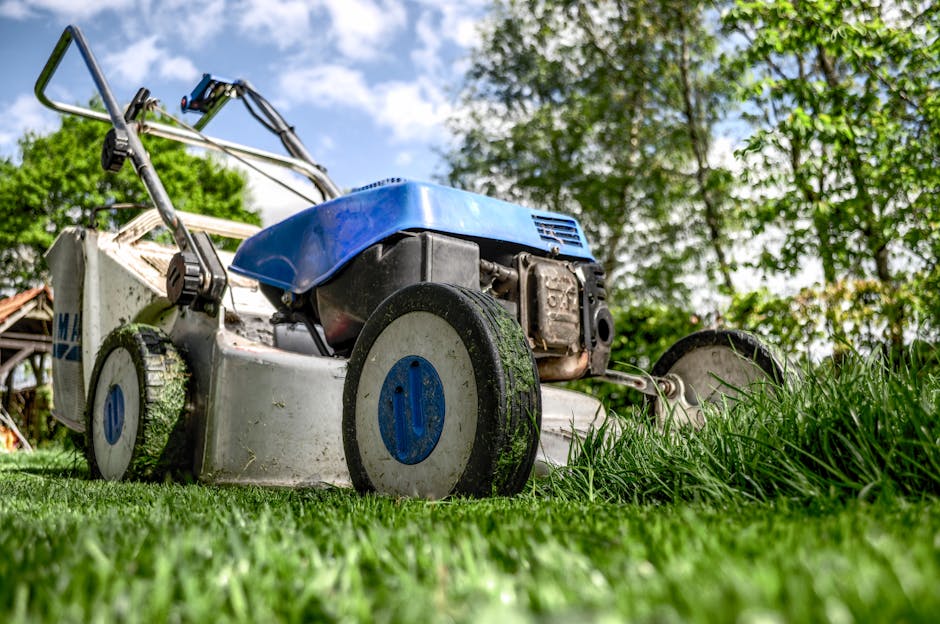
| Lawn mower or strimmer | Careful height correction and tidying | Helps restore shape without stressing the turf |
| Spring rake or leaf rake | Removing debris and loose thatch | Improves airflow and presentation |
| Edging tool | Sharpening borders | Makes a tired lawn look cleaner fast |
| Spreader or hand applicator | Applying feed or treatment evenly | Reduces patchy results and wasted product |
| Watering can or hose | Targeted watering where needed | Useful for aftercare, especially on small stressed sections |
| Protective gloves and footwear | General safety and grip | Helps the job stay tidy and controlled |
For homeowners, the most useful "resource" is often a realistic plan. That means knowing whether your lawn needs a quick tidy, a rescue, or a longer recovery programme. If you are not sure, a short assessment via about us can help you judge the kind of service and approach you are dealing with. You can also review pricing and quotes early so there are no surprises when time is tight.
One practical recommendation: if you are arranging the visit from a busy household, take ten minutes beforehand to note the worst areas. Front edge, shady corner, dog run, drainage line, etc. That little bit of prep makes the rescue faster and more accurate. Small detail, big difference.
Law, Compliance, Standards, or Best Practice
For lawn rescue work in the UK, the main concern is not usually a specialist legal threshold. It is sensible working practice, property care, and safety. A reputable gardener should use equipment responsibly, manage waste properly, and avoid creating hazards during the visit. If any treatment is being used, it should be applied in line with label instructions and only where appropriate for the site conditions.
Best practice also includes looking after neighbouring properties and shared access. That matters in KT6, where many gardens sit close together and a noisy strimmer or loose debris can easily travel. If the job involves branches, overgrowth, or difficult access, care should be taken around fences, paving, and the local environment. If there is any risk from slippery surfaces, uneven ground, or sharp garden waste, the work should slow down rather than speed up.
For customers, a few simple checks are wise:
- ask whether the work is covered by appropriate insurance
- confirm how waste will be handled
- make sure the gardener understands any pets, access issues, or fragile areas
- keep children and animals away from the work zone while tools are in use
- follow aftercare advice if any treatment or feeding has been applied
If you want a better sense of how a provider approaches safety and trust, it is sensible to read policy pages such as insurance and safety and the health and safety policy. For payment reassurance, payment and security is also worth checking. That kind of transparency is a good sign. It may sound boring, but boring is often excellent when safety is involved.
Options, Methods, or Comparison Table
Not every urgent lawn problem needs the same response. Below is a simple comparison of common approaches so you can see what tends to suit different situations.
| Approach | Best for | Pros | Limitations |
|---|---|---|---|
| Same day rescue visit | Immediate visual improvement and quick stabilisation | Fast, practical, stress-reducing | May not fully solve deeper lawn issues in one visit |
| Routine lawn mowing | Regular upkeep and control | Keeps the lawn tidy and manageable | Won't fix damage, compaction, or disease on its own |
| Garden maintenance package | Ongoing care across the garden | Better for prevention and consistency | Less focused if the lawn needs an emergency response |
| Full garden clearance | Overgrown or neglected spaces | Resets the site and removes clutter | Too heavy-handed if only the lawn is in trouble |
| Landscape changes | Recurring issues caused by layout, shade, or drainage | Can address root causes | Takes longer and usually costs more than a quick rescue |
If the lawn problem is part of a bigger garden pattern, it may make sense to combine a rescue with long-term changes. That could mean better bed edges, smarter planting, or even drainage-aware layout work through landscaping or tree lopping and removal if shade is overwhelming the grass. Shade is sneaky like that. One summer the lawn is fine; the next, it is struggling under the canopy.
Case Study or Real-World Example
Imagine a KT6 homeowner who notices on Friday morning that the front lawn has been flattened after a week of wet weather, a parcel delivery run, and a mower pass that was a little too eager. The grass looks uneven, the edges are messy, and there is a dark patch near the path where water has sat longer than it should. They have guests due on Saturday afternoon. Not ideal.
A same day gardener arrives, inspects the area, and decides the lawn is stressed rather than beyond help. Instead of aggressive cutting, the gardener raises the approach slightly, tidies the edges, removes debris, and identifies the wet patch as a drainage concern rather than a simple watering issue. A light clean-up improves the appearance straight away. The homeowner is told to avoid walking on the soft section, hold off on any extra watering, and monitor how the turf responds over the next few days.
The result is not a "perfect lawn" in the glossy brochure sense. But it is presentable, healthier than before, and far less likely to decline further. That is what real urgent rescue should do. It buys breathing space. It gives the grass a chance. And, frankly, it saves a weekend from becoming a gardening panic.
Later, the homeowner can decide whether to bring the area into a regular maintenance rhythm or revisit the wider garden through a service like garden maintenance. That is the nice thing about a good rescue: it creates options instead of forcing a rushed bigger job.
Practical Checklist
Use this quick checklist before and after a same day lawn rescue visit.
- Identify the main issue: overgrown, patchy, flattened, dry, wet, weedy, or debris-covered
- Take a few clear photos of the worst areas
- Make access easy for tools and waste removal
- Keep pets and children out of the work zone
- Decide whether the goal is presentation, recovery, or both
- Ask what will be done on the day and what needs follow-up
- Check whether watering or rest is needed afterwards
- Avoid mowing again too soon after the rescue
- Watch for signs of deeper problems such as compaction or drainage issues
- Book follow-up maintenance if the lawn is prone to recurring stress
Quick reality check: if the lawn has been struggling for months, same day rescue can improve it, but it may not fully reset it. That is still useful. Very useful, in fact. You are stabilising the space and making the next step easier.
Conclusion
KT6 same day gardeners for urgent lawn rescue are most valuable when time matters, the lawn looks rough, and you need practical help without waiting around. The best results come from careful diagnosis, sensible action, and a calm follow-up plan. Fast does not mean rushed. It means timely, well-judged, and focused on what the lawn actually needs.
If you are facing a stressed, patchy, overgrown, or suddenly messy lawn, the smartest move is usually to act early and keep things simple. A good rescue can restore order, protect healthy grass, and stop a small problem from turning into a much bigger one. And sometimes that is enough. Sometimes that is exactly enough.
Get a free quote today and see how much you can save.
And if all you needed was a bit of proper help at the right moment, well, that is a pretty decent outcome for one day's work.
Frequently Asked Questions
What does same day lawn rescue usually include?
It usually includes a fast assessment, careful mowing or trimming if appropriate, edging, debris removal, and practical advice for aftercare. The exact work depends on the lawn's condition.
Can a badly damaged lawn really be saved on the same day?
Sometimes yes, at least partly. If the problem is recent or mainly cosmetic, a same day visit can make a big difference. If the damage is deeper, the visit still helps stabilise the lawn and set up recovery.
How do I know if my lawn needs rescue or just a regular mow?
If the grass is patchy, flattened, wet, brown, weedy, or generally stressed, it is more than routine mowing. If it only looks a little long, a standard mow may be enough.
Is urgent lawn rescue suitable after heavy rain?
Yes, but with caution. Wet lawns need a gentler approach because soil compaction and turf damage can worsen quickly. A good gardener will avoid heavy work if the ground is too soft.
What should I tell the gardener before they arrive?
Explain what changed, when it changed, whether pets or children use the area, and whether you have already watered, mown, or treated it. Photos help too. They save time and reduce guesswork.
Will the garden be left tidy after the visit?
It should be. A proper rescue visit normally includes clear waste handling and a neat finish. If there is a lot of material to remove, ask how that will be managed before the work starts.
Can same day gardeners also help with weeds and moss?
Yes, if the lawn condition allows it. The key is timing and method. Some weed or moss treatments are better left for follow-up rather than being rushed during an emergency visit.
How soon can I walk on the lawn after rescue work?
That depends on what was done and how wet the ground is. In many cases it is best to limit foot traffic for a short period, especially if the lawn is soft or newly treated.
What if my lawn problem is actually caused by shade or drainage?
Then rescue work can improve the appearance, but you may also need longer-term changes. Shade, poor drainage, and compacted soil often need a broader plan, not just a quick tidy-up.
Are same day services more expensive than routine bookings?
They can be, especially if the job is urgent or out of the ordinary. That said, it is often cheaper than letting a small issue become a larger repair. Ask for a clear quote and scope before work begins.
Can urgent lawn rescue be combined with other garden tasks?
Yes, if it makes sense. Some gardens benefit from combining lawn work with hedge trimming, clearance, or broader maintenance. Just make sure the lawn gets the priority it needs first.
How do I choose a trustworthy gardener for urgent lawn rescue in KT6?
Look for clear communication, sensible advice, safety awareness, and transparency about pricing and insurance. A trustworthy provider will explain what can be done now, what should wait, and what recovery may look like after the visit.